
How to Choose Pure Gawa Ghee for Indian Festivals, Sweets and Puja
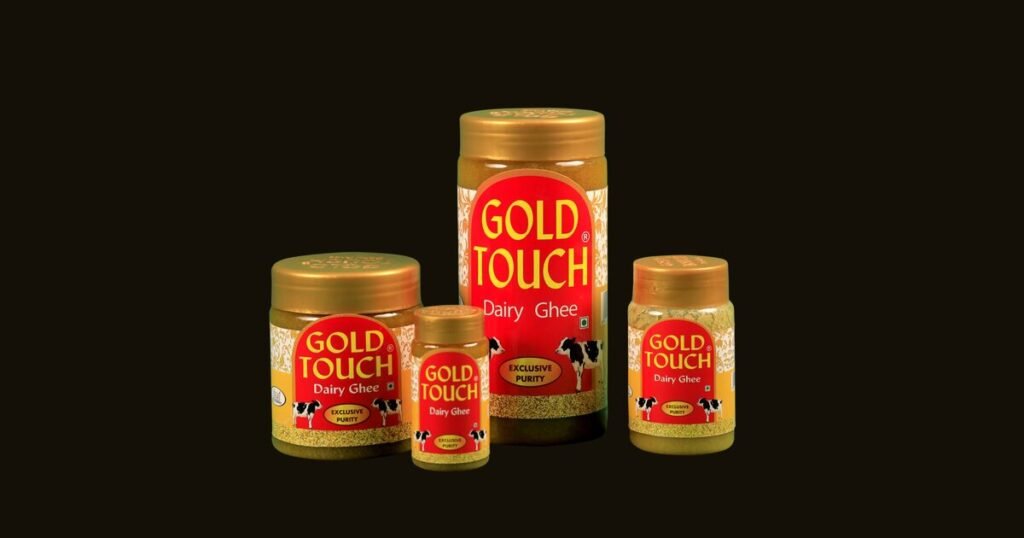
Choosing gawa ghee for Indian festivals starts with checking milk sourcing, preparation, aroma, texture, packaging and quantity. Pure Gawa Ghee works well for traditional sweets such as laddoos and halwa, festive meals, tadkas and puja rituals. Gold Touch Gawa Ghee is made from pure cow’s milk, making it suitable for traditional festive cooking across Indian households.
What should you check when choosing Gawa Ghee for festivals?
Choose ghee with clear milk sourcing, transparent processing, proper food packaging, reliable labelling and a pack size that suits your festive cooking and puja requirements.
Milk source: Check the label for clear information about the milk used. Gold Touch states that its Gawa Ghee uses pure cow’s milk.
Making process: Gold Touch explains that milk is cultured into curd, churned to obtain makkhan and then slowly clarified to prepare ghee.
Aroma and texture: Good ghee has a characteristic dairy aroma and consistent texture. Graininess can develop naturally as ghee cools and settles. . A simple home check is to rub a small amount between your fingers once it has cooled to room temperature, genuine ghee should feel smooth to slightly grainy rather than waxy or sticky.
Labelling: Check ingredients, net quantity, batch details, FSSAI information and storage instructions before purchasing packaged ghee. The current labelling requirements for packaged food in India are set out in the official FSSAI packaging and labelling regulations.
Storage: Use a clean, dry ghee container and keep it properly closed to protect the contents from moisture.
Which ghee works well for sweets, puja and festive cooking?
Pure cow ghee works across traditional sweets, savoury dishes, tempering and customary household rituals, making it a versatile ingredient during the Indian festive season.
Festive sweets: Laddoos, halwa and sheera use ghee for roasting, binding, aroma and richness.
Puja rituals: Ghee for puja has a traditional place in many Indian households, including its use for lighting diyas during religious ceremonies.
Traditional dishes: Popular recipes using ghee include dal tadka, ghee rice, parathas, halwa and several festive sweets. More step by step ideas are on the Gold Touch recipes page.
Simple recipes: An easy ghee recipe can involve roasting dry fruits in ghee before adding them to kheer or halwa.
Cooking value: Familiar culinary ghee benefits include richness, smooth roasting and carrying the aroma of spices through a finished dish.
What is the difference between Gawa Ghee and A2 Ghee?
Gawa Ghee describes a traditional cow ghee style associated with cultured dairy preparation, while A2 ghee is a term connected specifically with the milk source.
Gawa Ghee: The term is commonly associated with cow ghee prepared from cultured milk or curd, particularly in eastern Indian food traditions.
A2 terminology: A2 ghee is commonly marketed in relation to milk sourced from cows that produce the A2 type of beta-casein.
Read the product label and manufacturer information carefully because different ghee terms describe different aspects of sourcing and preparation. The brand identifies its product as Gawa Ghee and states that it is made from pure cow’s milk.
What should you check before buying Gawa Ghee online?
Check the pack quantity, seller, current price, delivery date, packaging and product information before you buy pure cow ghee online for your celebrations.
Pack size: Estimate how much ghee your sweets, festive meals and household rituals will require before choosing a pack.
Price comparison: Searches for 1 kg ghee price, cow ghee price 1kg and cow ghee price help when comparing equivalent quantities and similar product categories.
Delivery timing: Place your order early enough to organise cooking comfortably before Diwali, Durga Puja, Makar Sankranti or another celebration.
Product details: Review the ingredients, net quantity, storage instructions and seller information displayed before placing your order.
Compare pack sizes and check the current price on the Gold Touch products page before you order.
Conclusion
Choosing festive ghee becomes simpler when you understand its sourcing, preparation, packaging and intended use. The right choice should suit your recipes, rituals and household requirements while providing clear product information. Thoughtful quantity planning and proper storage also make festive preparation easier. Bring traditional flavour to your festive kitchen. Explore Gold Touch Pure Gawa Ghee and choose the right pack for your celebrations. For bulk orders ahead of the festive season, get in touch with the team.
FAQs
Is Gawa Ghee made from cow’s milk?
Gawa Ghee is traditionally associated with cow’s milk and cultured dairy preparation. Check the individual product label because sourcing and preparation methods can vary between brands.
Which ghee is suitable for making Indian sweets?
Pure cow ghee is widely used for halwa, laddoos, sheera and other traditional sweets. Its aroma and roasting properties contribute to the character of these recipes.
Can Gawa Ghee be used for puja?
Cow ghee is traditionally used in many Indian household puja practices, including diyas. Specific rituals and customs can vary between families, communities and regions.
Where can I find recipes made with Gold Touch Gawa Ghee?
Gold Touch shares several ideas for home cooking and traditional preparations. Explore the Gold Touch recipe collection for inspiration.
How can I buy Gold Touch Gawa Ghee online?
Gold Touch Gawa Ghee can be ordered directly from the products page, where pack sizes and current pricing are listed for festive and everyday use.